








Elevators
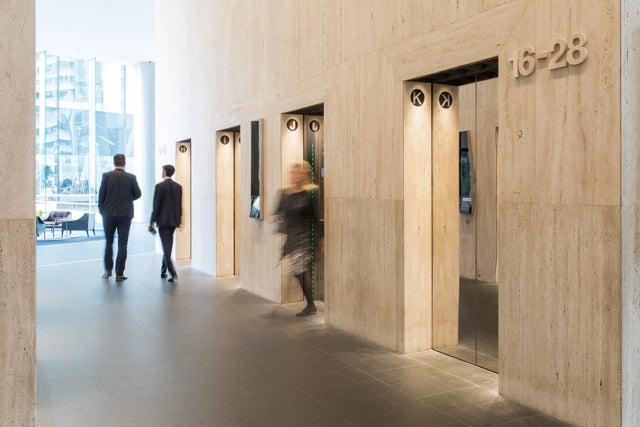
KONE elevators are smart, sustainable, and designed to keep people moving with ease across industries and building types.
Explore your options
Select the right elevator for your building
Explore your options

Improving the equipment lifecycle
Supporting your building from day one
Our types of elevators

Contact us
Get a free project consultation
Frequently asked questions
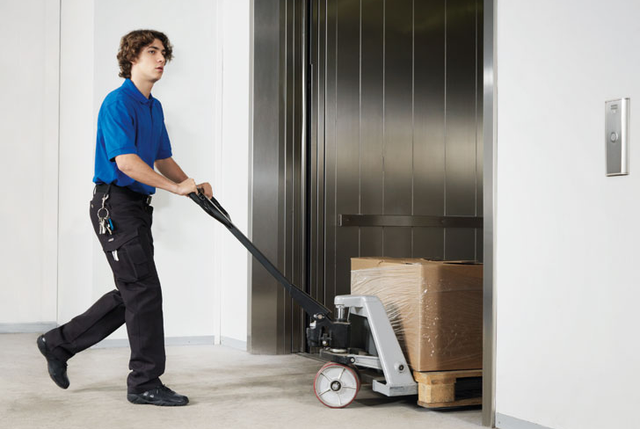
The most common elevator types are passenger elevators, freight elevators, service elevators and residential elevators. KONE offers tailored elevator solutions like MonoSpace® DX elevators for low- to mid-rise, MiniSpace™ DX elevators for mid- to high-rise TranSys™ DX elevators for heavy-duty transport.
Get to know our offering
Elevator installation time depends on the building and the model. KONE elevator experts can give you an estimate for your project. We also offer solutions to speed up the construction time for the entire building.
Reach out to our specialists
Hydraulic elevators use a piston to lift the car, making them suitable for low-rise buildings but less energy efficient. Traction elevators use ropes and counterweights, offering smoother, faster and more sustainable rides.
Elevators move a car up and down inside a shaft using hydraulic pistons or traction systems powered by an electric motor. KONE elevators also integrate smart connectivity, which enables predictive maintenance and smoother people flow.
What are the safety features of modern elevators?
Elevator costs vary by building type, height and features. A basic residential elevator is more affordable, while high-capacity elevators can cost more. KONE provides tailored cost estimates to match your project’s needs and budget.
Talk to our experts
Modern KONE elevators can cut energy use by up to 70% with regenerative drives, LED lightning and standby modes. Choosing an energy-efficient elevator reduces running costs and helps your building meet sustainability targets.
The right elevator depends on building type, height and traffic levels. KONE experts guide you to the best fit from space-saving solutions for low-rise buildings to high-speed elevators for tall buildings.
Elevator technology is moving toward smart, connected systems with predictive maintenance, touchless controls and personalized services. KONE leads with DX Class elevators, which offer space saving, built-in connectivity and future-ready digital upgrades.
The Latest Innovations in Elevator Technology
Modern elevators are designed with multiple layers of safety to ensure reliable and secure transportation. These include systems that control speed and stopping, sensors and software that monitor operation, door protections that prevent contact with people or objects, weight detection to avoid overloading, and emergency communication for passengers. Elevators also incorporate safeguards for power outages, special operating modes for emergency responders, and security features that help control access and monitor use. Together, these technologies make elevators one of the safest modes of transportation today, with regular maintenance and inspections playing a key role in keeping them operating safely.
Recommended for you