






Why Does Equipment Become Obsolete?
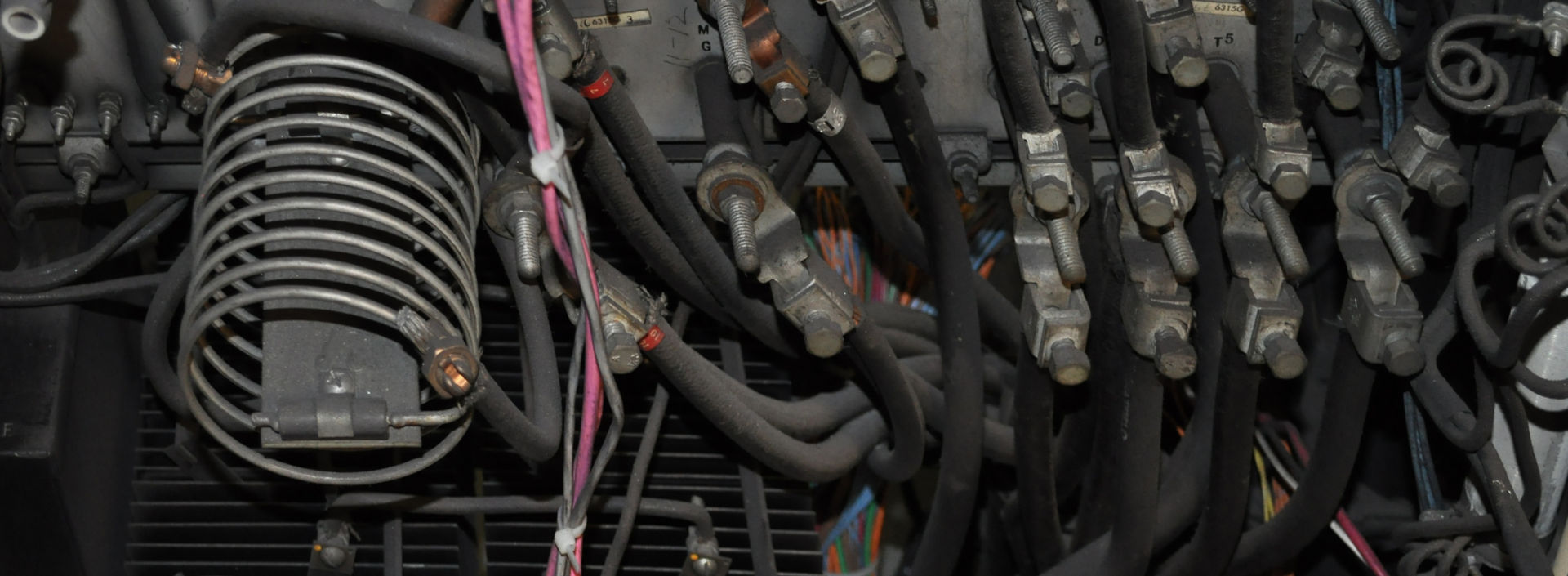
Over time, the parts used to build the product become unavailable because the manufacturers of those components stop making them. Newer technologies also render older equipment obsolete by shifting industry standards and compatibility requirements. When that happens, it’s no longer possible to produce or repair the product, leading to its obsolescence.
As newer, more efficient systems are developed, older parts become harder to find, costly to maintain, and less reliable. This can result in increased downtime, safety risks, and higher maintenance costs for your elevator system.
What Are the Risks of Using Obsolete Equipment?
- Increased Downtime: Finding replacement parts for obsolete systems can take weeks or even months, leaving your elevator out of service.
- Safety Concerns: Aging components may fail without warning, leading to unexpected outages or, worse, safety hazards leading to your elevator being out of service for a period of time.
- Higher Costs: Repairing outdated equipment often costs more due to limited availability of parts and specialized labor.
What Are Your Best Options?
- Proactive Upgrades: Replacing obsolete components before they fail helps prevent service interruptions, improve safety, and increase energy efficiency.
- Targeted Repairs: In some cases, specific components can be repaired, buying time before a full modernization is necessary.
- Complete Modernization: For elevators with widespread obsolete components, a full system upgrade is often the most cost-effective long-term solution.
Types of Equipment Commonly Affected by Obsolescence
- Controller Boards – can be difficult or impossible to repair due to discontinued parts.
- Drive Units – are often incompatible with newer technologies.
- Machine Parts – prone to failure and lack replacement parts.
- Door Operators – Systems are no longer supported and require replacements or upgrades.
- Safety Systems – Non-PVC hydraulic cylinders and older safety governors must be replaced to meet modern safety standards.
How We Help You Stay Ahead
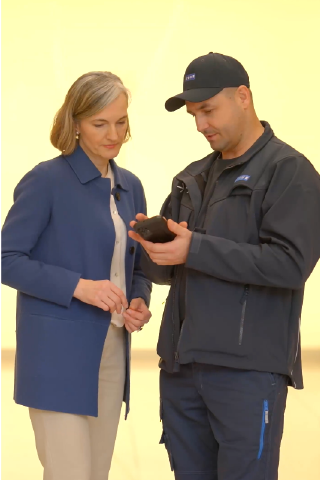
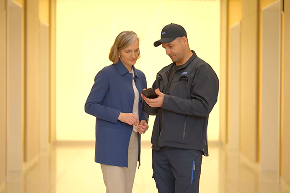
At KONE, we specialize in identifying outdated components and providing customized solutions tailored to your needs. Our experts will guide you through the process, from assessing the condition of your equipment to recommending the best upgrade options that fit your budget and operational goals.
Don't Wait for a Breakdown – Plan Ahead Today!
Contact us to schedule an assessment and explore how proactive upgrades can keep your elevators safe, reliable, and compliant with the latest standards. Let us help you minimize risks and avoid costly disruptions before they happen.